

Survey research
Survey research helps organisations hear what people think, need and notice before decisions are made. Populism Polls runs practical survey projects across South Africa, from brand and consumer work to member, employee and stakeholder studies.

What this section covers
This section brings together our survey research services for organisations that need dependable feedback from defined groups. That may mean consumers in a retail category, members of an association, employees across regions, or stakeholders affected by a programme, service or policy.
From our base in Braamfontein we run surveys nationally across all nine provinces, using the method that fits the audience and the decision at hand. Some projects need broad consumer coverage, while others need a more targeted audience with screening, language matching and tighter controls on who is included. We focus on accuracy, transparency and fair wording, and we provide method notes so clients can see how the work was done.
The main types of survey research we run
Survey research is not one thing. The best approach depends on who you need to reach, how sensitive the topic is and how quickly you need feedback. In this section you can explore options built around different audiences and uses.
- Consumer and brand surveys for awareness, usage, attitudes, purchase drivers, recall, satisfaction and message testing.
- Employee and member surveys for internal sentiment, service issues, communication gaps, training needs and organisational trust.
- Stakeholder surveys for associations, NGOs, public programmes and policy teams that need structured input from affected groups.
- Tracking studies where the same topic is measured repeatedly over time using a consistent questionnaire and method.
Where needed we combine survey work with focus groups or follow-up interviews to understand why people answered the way they did, not only what they selected.
How to choose the right survey option
If you are deciding between the pages in this section, start with the audience first and the reporting need second. A consumer survey and an employee survey may both ask about satisfaction, but the sample, tone, privacy considerations and fieldwork route are not the same.
- Choose consumer and brand surveys when the goal is market understanding, campaign feedback, product reaction or category behaviour.
- Choose employee and member surveys when the people answering are part of your organisation, network or formal membership base.
- Use phone or online panels when speed matters and the audience can be reached efficiently that way.
- Use face-to-face interviews when digital access is uneven, language support matters, or the target group is better reached in person.
- Add weighting and careful quotas when you need the final dataset aligned to a known population profile.
In practice, method choice also depends on field realities. In some areas online response can be uneven because of data costs, shared devices or load-shedding, while in-person work may need extra planning around venue access, travel times and municipal by-laws.
A practical comparison: consumer, employee and stakeholder surveys
These studies can look similar on paper, but they are set up differently. The table below is a simple way to think about the differences before commissioning a project.
- Consumer surveys: best for purchase behaviour, awareness, preferences, messaging and service experience in the market.
- Employee surveys: best for workplace communication, morale, leadership feedback, training needs and internal processes.
- Member surveys: best for associations, unions, clubs or networks that need feedback on value, representation and services.
- Stakeholder surveys: best for wider groups affected by a programme, development initiative or public issue, including people outside a formal database.
If the audience is mixed, we usually separate the groups in sampling and reporting rather than blending them into one headline. That keeps the findings easier to interpret and avoids a false picture where one group drowns out another.
What good survey research includes
A useful survey is more than a questionnaire link. It needs a clear objective, fair questions, proper screening, a realistic field plan and reporting that shows limits as well as findings. We do not campaign, canvass or predict election results, and we never publish client data.
- Questionnaire design that avoids leading or loaded wording.
- Sampling plans suited to the target audience and geography.
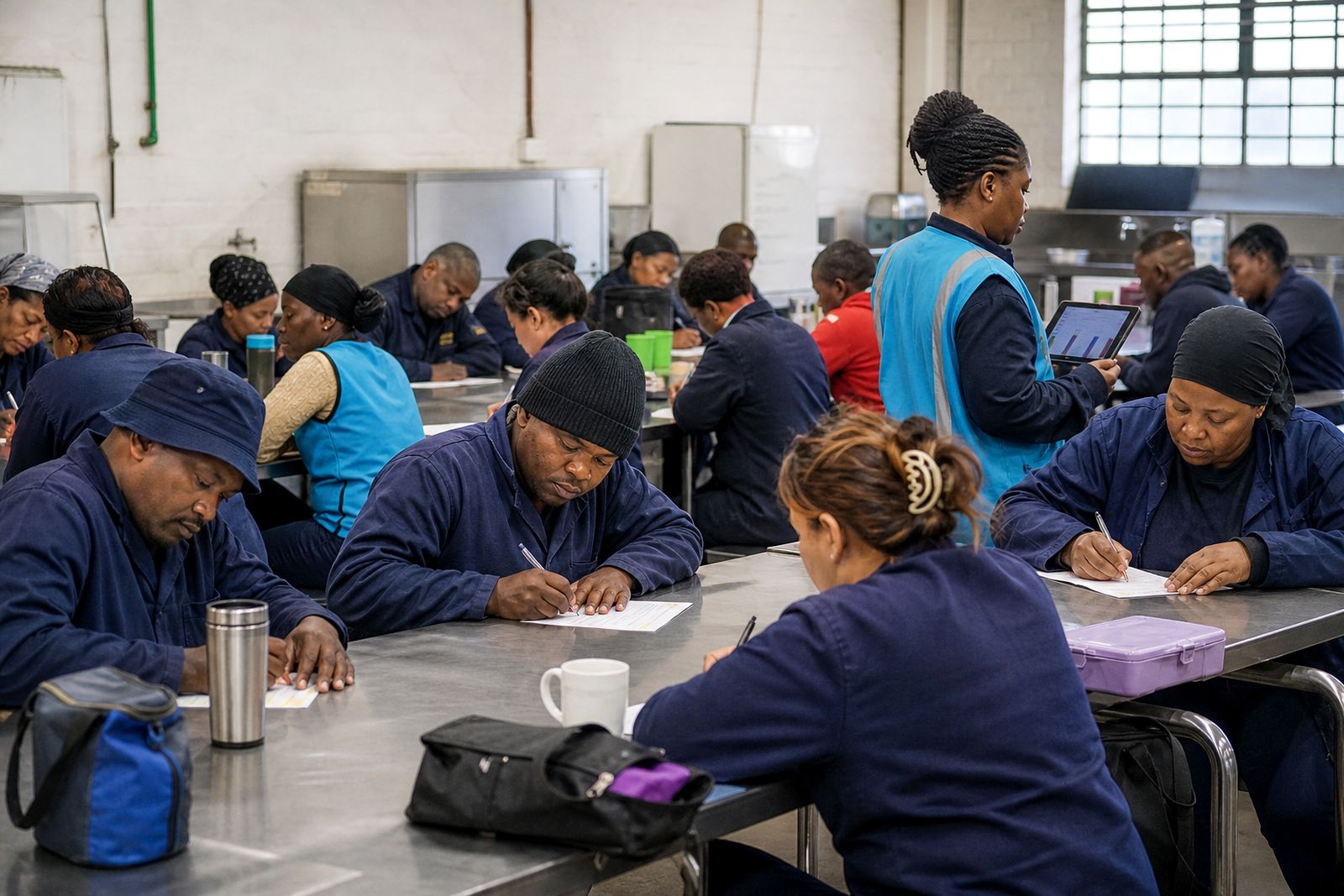
- Fieldwork by phone, online or face to face in all official languages where required.
- Quality checks during collection, coding and cleaning.
- Weighting where appropriate, with plain method notes.
- Reports written for decision-makers, not only researchers.
For clients this means the end result is not just a spreadsheet. It is a defensible piece of research with enough context to brief management, boards, campaign teams or programme leads without over-claiming what the data can say.
Working across South Africa
We run survey research nationally from Braamfontein, covering all nine provinces and a wide range of audience types. Projects may focus on a single metro, several provinces or a national spread depending on the brief. We also plan around practical local issues such as travel windows, language matching, safety protocols for field teams and the realities of reaching people during working hours.
If you are not sure which survey page in this section fits your brief, start with your audience and purpose: who needs to be heard, what decision depends on the answers, and whether you need a once-off read or repeated tracking. You can then contact us through the enquiry form on our contact page and we will guide the scope from there.

What our Opinion Polling customers say
Verified Google reviews
Questions we get asked
What is the difference between a poll and a survey?
A poll usually refers to a short measure of public opinion on a current issue, while a survey can cover a wider range of topics and audiences in more detail. On this section, survey research includes consumer, employee, member and stakeholder studies.
Can you run surveys in more than one language?
Yes. We can conduct fieldwork in all official languages where the project requires it, with wording adapted carefully so questions remain fair and consistent across languages.
How do I know which survey method to choose?
The right method depends on who you need to reach, how quickly you need feedback and how accessible the audience is by phone, online or in person. If you send an enquiry through our contact page, we can help you choose the most suitable route.
Tell us about the job
Send sizes, materials and where you are through our contact form, and we will come back with the practical options.
Open the contact form