
Issue and policy tracking
Issue and policy tracking measures opinion on the same questions over time so you can see whether sentiment is holding, shifting or splitting across groups. We run structured tracking studies across South Africa with consistent fieldwork, careful wording and clear method notes.

What issue and policy tracking includes
This service is built for organisations that need a steady read on public opinion rather than a once-off snapshot. A tracking study keeps key questions consistent from wave to wave, while leaving room for a small number of topical additions where needed. That makes it useful for policy teams, associations, NGOs, agencies and brands working on public-facing issues.
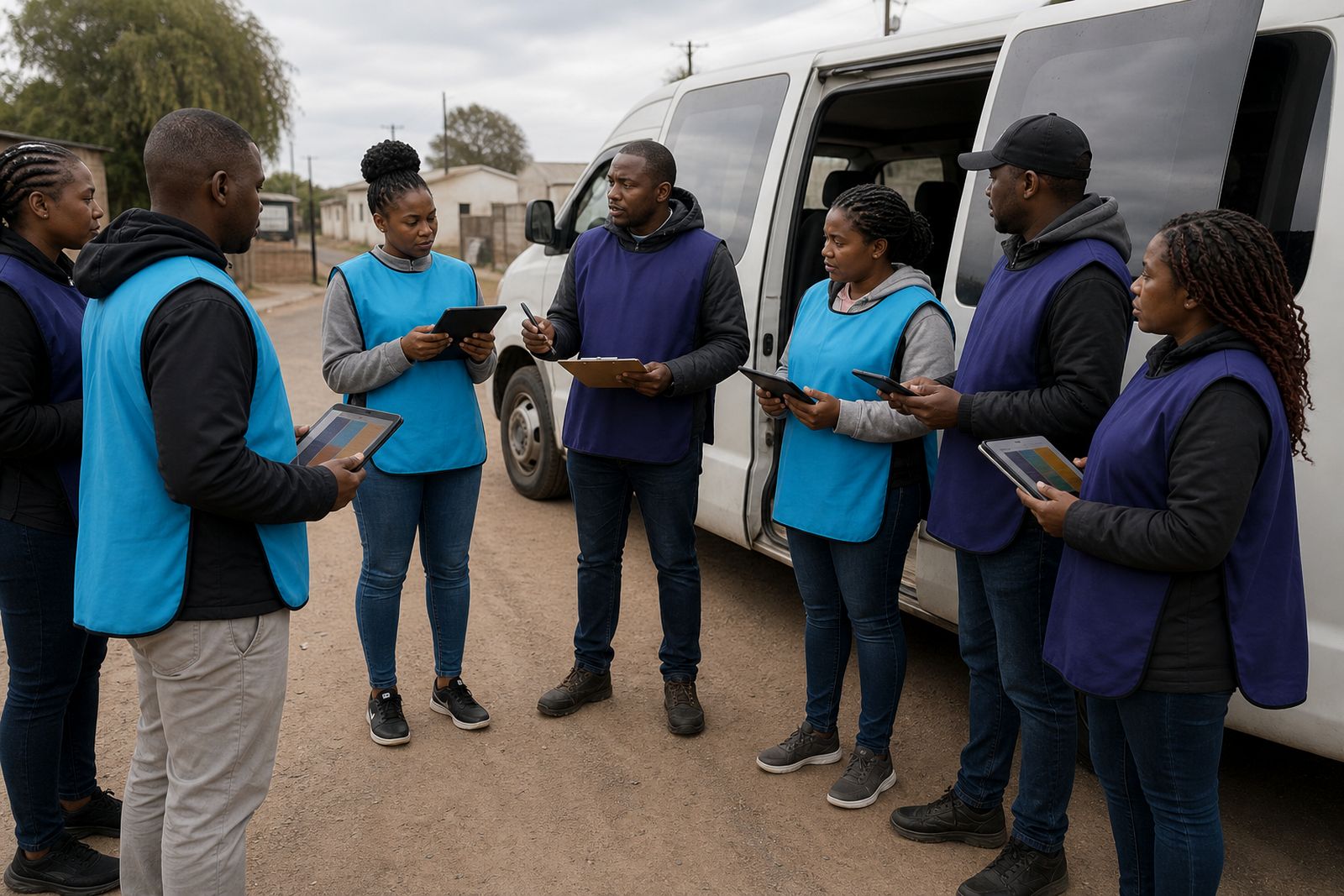
We can run tracking nationally or by province, and we can field by phone, online panel or face-to-face interviews depending on the audience, language needs and geographic spread. Where fieldwork is repeated over several waves, we keep core wording, routing and reporting definitions aligned so results remain comparable.
- Core questionnaire for repeat measurement over time
- Optional rotating questions for current issues
- National or provincial coverage across all nine provinces
- Fieldwork in all official languages where required
- Sampling, weighting and method notes for each wave
- Clear reporting focused on movement, not noise
When tracking is the right approach
Tracking is useful when the real question is not only what people think now, but whether views are changing. That can apply to awareness of a policy, support for a proposal, concern about a public issue, trust in an institution, or expected behaviour linked to a social or economic topic. It is also helpful where outside events may move opinion quickly, such as load-shedding schedules, transport disruptions, water restrictions or local service delivery concerns.
Because the same measures are repeated, tracking can separate a short term reaction from a more settled trend. A single wave may show a jump or dip, but repeated waves show whether that movement lasts. This matters when decisions carry operational or reputational consequences.
Our process, step by step
We start by defining the decision the tracking study must support. From there we agree the audience, geography, field method and reporting rhythm. We then build a questionnaire that is fair, plain and stable enough for repeated use. Before the first wave goes live, we check wording, translations, interview flow and category definitions carefully.
- Step 1: Scoping call through the enquiry route on our contact page to define the issue, audience and timing.
- Step 2: Questionnaire drafting with a fixed core and any optional modules.
- Step 3: Sampling plan, province coverage and weighting approach.
- Step 4: Fieldwork setup for phone, online or face-to-face interviewing.
- Step 5: Data checks, coding where needed and consistency review across the wave.
- Step 6: Delivery of findings with charts, written interpretation and method notes.
For later waves, we lock the core measures unless there is a strong reason to change them. Small wording changes can break comparability, so we flag any requested edits and explain the trade-off. If a question must change, we document it plainly in the report.
What you should prepare before fieldwork
Clients get the best value from tracking when the internal objective is specific. Before the first wave, prepare a short brief stating what decisions the findings must inform, who the relevant public or stakeholder group is, and which measures must stay constant over time. If there are legal, regulatory or municipal terms that respondents may know by a local name, note those too.
It also helps to identify any dates that may affect opinion, such as budget announcements, consultations, service interruptions or campaign periods. We do not campaign or canvass, and we do not predict election outcomes, so the study must be framed around opinion measurement rather than political mobilisation.
- The decision or question the study must support
- Priority audience, sector or geographic area
- Any required languages or accessibility needs
- Key terms, policy names or issue labels already in use
- Reporting deadlines and preferred wave frequency
- Internal contacts for approvals and sign-off
How pricing is worked out
Pricing depends on the practical shape of the study rather than on a flat rate. The main drivers are the field method, the length of the questionnaire, the target audience, the number of provinces covered, language requirements, and how often the study will run. Face-to-face work usually costs more than phone or online because of travel, supervision and interviewing time, especially in spread-out areas or where access rules apply.
Costs can also shift if a project needs more complex sampling, faster turnaround, more detailed subgroup reporting or qualitative follow-up. A simple recurring tracker is generally more efficient after the first wave because the core instrument and reporting structure are already in place. We explain the cost factors in plain terms before fieldwork starts, and we set out what is included in each wave so there is no confusion later.
Reporting, aftercare and practical specs
After each wave, we deliver a clear report that focuses on what changed, what stayed steady and what should be treated cautiously. We include method notes so your team can understand how the work was done and what comparisons are valid. We do not publish client data, and findings remain confidential to the client unless agreed otherwise.
Aftercare matters in tracking work because questions often arise only once trends begin to appear. We stay available after delivery to explain movement between waves, review whether the tracker still fits your objective and advise on whether any additions would affect comparability. Where needed we can plan the next wave around known operational realities, including holiday periods, examination cycles, major travel weekends or local disruptions. That helps keep timing as consistent as possible, which is a small detail but it matters.
What our Opinion Polling customers say
Verified Google reviews
Questions we get asked
How often should an issue tracker run?
That depends on how quickly opinion is likely to move and how the findings will be used. Some topics suit a regular monthly or quarterly rhythm, while others are better tied to key events, consultations or operational milestones.
Can questions be changed after the first wave?
Yes, but changes must be handled carefully. Core questions should stay stable if you want true comparison over time, and any edits should be documented clearly because even small wording changes can affect trend lines.
Do you publish the results of tracking studies?
No. We do not publish client data, and we do not campaign, canvass or predict election results. Findings are delivered to the client with method notes and kept confidential unless agreed otherwise.
Also worth a look



Tell us about the job
Send sizes, materials and where you are through our contact form, and we will come back with the practical options.
Open the contact form